
-
By Charging EVolution Team
- 0 Comments
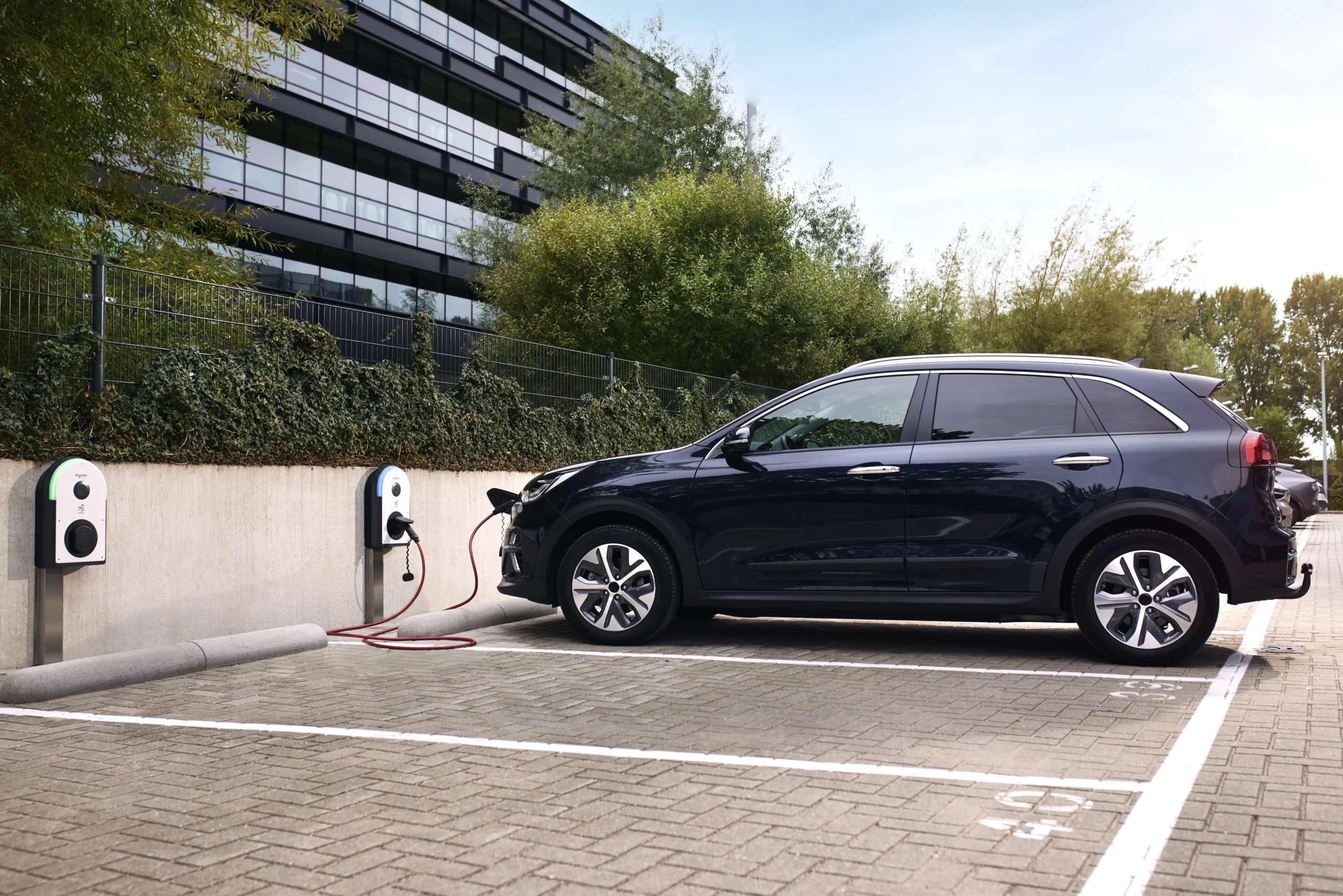
As more residents move to electric vehicles, owners corporations are increasingly being asked to approve charging equipment in apartment car parks. A request for one charger can appear straightforward, but the decisions made for the first installation can affect every charger that follows.
Apartment charging needs a building-wide view. Shared electrical infrastructure, common property, limited switchboard capacity, parking arrangements and electricity cost recovery all need to be considered. A series of unrelated one-off installations may solve an immediate request while creating a more expensive and difficult problem later.
The best place to begin is with an EV charging strategy for the building.
Why individual charger requests can become a problem
An apartment building may have enough capacity for its first charger and perhaps several more. That does not mean it can support unrestricted charging in every car space.
If each resident arranges a separate circuit without an agreed plan, the building can end up with:
- duplicated cable routes and electrical equipment;
- incompatible charger brands and communication systems;
- no coordinated control of total charging demand;
- disputes about who pays for infrastructure and electricity;
- limited ability to add future chargers; and
- installations that are difficult for the owners corporation to monitor or maintain.
A building-wide approach does not require every car space to receive a charger immediately. It means the owners corporation agrees on the technical and commercial framework before installations become fragmented.
Begin with the building’s requirements
Before choosing equipment, the owners corporation should understand both current demand and likely future demand. A resident survey can help establish:
- how many residents already own an EV;
- how many expect to purchase one in the next few years;
- average daily driving distances;
- whether residents have allocated or shared parking;
- preferred charging and billing arrangements; and
- whether visitors or building staff will also need access.
The survey does not determine the technical solution on its own, but it helps avoid designing around assumptions.
Assess the electrical infrastructure
The next step is to assess the building’s electrical capacity and distribution arrangement. This may include reviewing the incoming supply, main switchboard, house services, embedded network arrangements, meter locations, spare switchboard capacity and practical cable routes to the car park.
Peak demand data is particularly useful. The rating of the building’s supply shows an upper limit, but demand data helps show how much of that capacity is actually being used and when it may be available.
Where capacity varies, dynamic load management can adjust EV charging to keep the total demand within a defined limit. This can allow the building to support more charging points without allocating the full rating of every charger simultaneously. It may also reduce or defer some infrastructure upgrades, although this must be assessed for the individual building.
Choose an infrastructure pathway
There is no single solution for every apartment building. Depending on its size, layout, demand and financial position, an owners corporation may choose to:
- approve a limited interim installation;
- install shared charging stations;
- build a common EV distribution system that residents can connect to over time. An ideal example of this would be Schneider Electric’s Canalis busbar trunking system.
- stage the electrical works as demand increases; or
- complete enabling works now and install chargers when requested.
For many larger buildings, a staged common system provides the clearest long-term pathway. Shared distribution, communications and load management infrastructure can be planned once, while individual charging points are added progressively.
Decide how access and electricity will be managed
Apartment charging also requires a fair method of identifying users and recovering electricity costs. Connecting a charger to common property power without a billing plan can leave all owners paying for one resident’s charging.
Options may include individual metering, charger-generated transaction data, RFID identification or integration with a charge point operator. The right method depends on the building’s electricity arrangements, the number of users and the level of administration the owners corporation is prepared to manage.
The owners corporation should understand:
- who owns the charging and distribution equipment;
- who pays for installation, maintenance and software services;
- how electricity usage is measured and recovered;
- who can authorise or remove users;
- what happens when a resident sells or changes car spaces; and
- who provides technical support when a charger is unavailable.
These decisions should be documented before the system is rolled out.
Plan approvals and responsibilities early
EV charging work may affect common property and usually requires owners corporation involvement. The required approval pathway will depend on the proposed works, the building’s rules and the legal and funding model selected by the owners corporation.
Technical, commercial and legal decisions are connected. A technically sound design is not useful if the owners corporation cannot fund or approve it. Likewise, a simple approval process should not be used to justify an electrical arrangement that limits future residents.
Owners corporations should obtain appropriate technical and legal advice for their circumstances rather than relying on a charger supplier’s standard package.
What a good apartment charging plan achieves
A well-planned system should:
- protect the building’s electrical capacity;
- give residents a fair pathway to access charging;
- recover electricity and ongoing costs transparently;
- allow additional chargers to be added without redesigning the entire system;
- use equipment that can be supported over the long term; and
- clearly allocate ownership, administration and maintenance responsibilities.
The objective is not to install the most chargers immediately. It is to create an agreed pathway that meets current needs without blocking future demand.
At Charging EVolution, we take the time to understand the building, resident requirements and owners corporation priorities before developing a solution. We can assess electrical capacity, advise on load management and design scalable Schneider Electric charging infrastructure for apartment and strata properties across Victoria.
Victorian Government EV-ready guide for owners corporations (PDF)
Planning EV charging for your apartment building?
Contact us to discuss a site assessment and a practical charging strategy for your owners corporation.